Longevity: growing old healthily and actively
Longevity means more than just living to a ripe old age. It is about living a healthy, active and self-determined life - even in old age. Longevity is a growing field of research in science. In addition to our genes, lifestyle, social integration and targeted prevention are key factors.
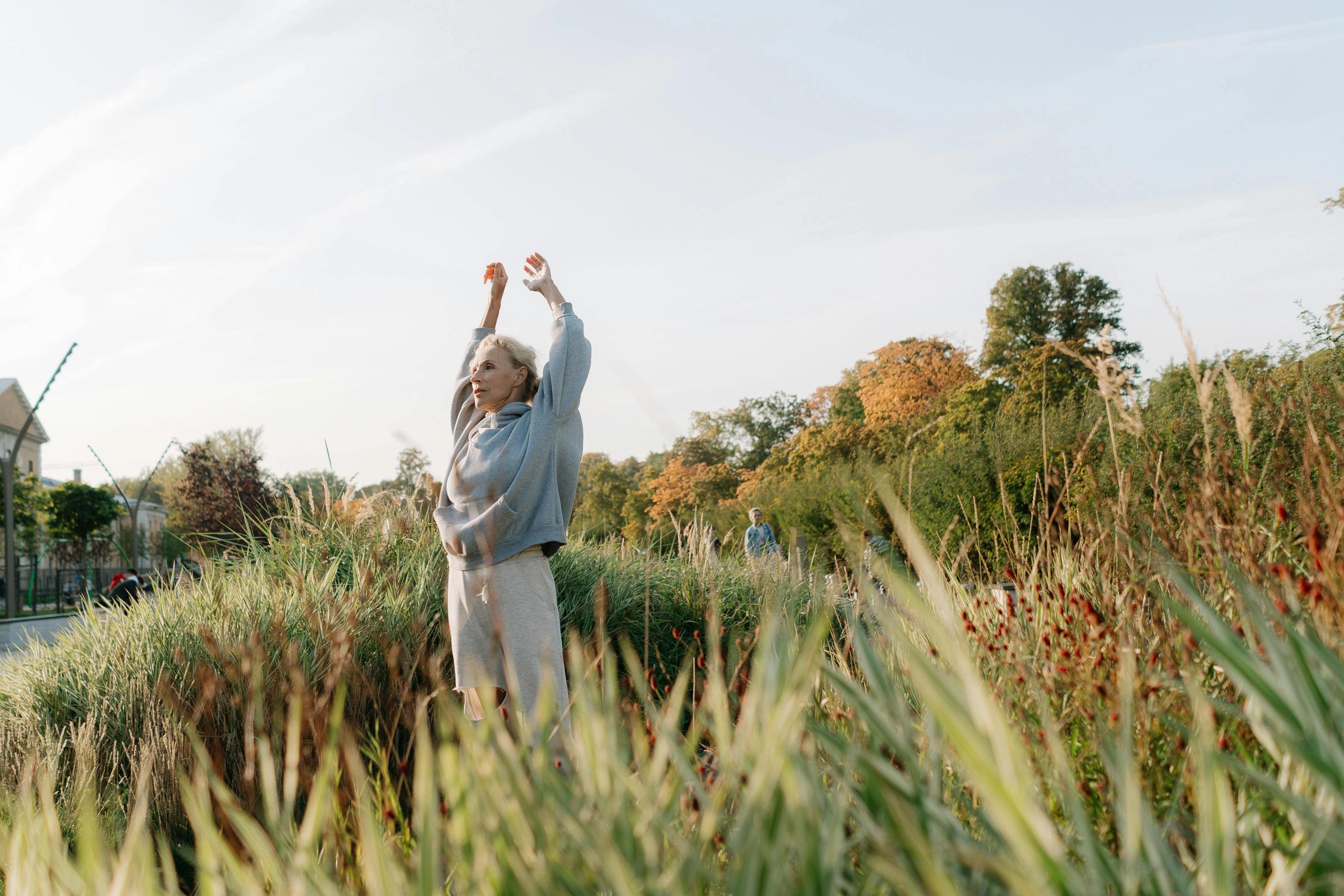
What does longevity mean?
The term “longevity” stands for strategies and insights that are designed to help us grow old healthily. People who set longevity as their goal strive to live well beyond the average life expectancy - ideally with a high quality of life. Science is investigating which factors - from exercise and nutrition to mental health - can slow down ageing processes and prevent typical age-related diseases.
- In regions such as Okinawa (Japan), Sardinia (Italy) or Ikaria (Greece), a striking number of people live to be over 100 years old. These “Blue Zones” provide fascinating insights into the practice of longevity:
- Daily exercise: Gardening, walking, active living
- Meaning in life: “Ikigai” or “plan de la vida” as motivation
- Community: Strong social ties and family cohesion
- Mediterranean, plant-based diet: lots of vegetables, pulses, healthy fats
- Stress reduction: breaks, Sabbath, eating together
Sources
D. Buettner und S. Skemp, „Blue Zones“
Y. Li u.a., „Healthy lifestyle and life expectancy free of cancer, cardiovascular disease, and type 2 diabetes: prospective cohort study“
J. Wang u.a., „Healthy lifestyle in late-life, longevity genes, and life expectancy among older adults: a 20-year, population-based, prospective cohort study“
L. J. Dominguez, G. Di Bella, N. Veronese, und M. Barbagallo, „Impact of Mediterranean Diet on Chronic Non-Communicable Diseases and Longevity“
J. Yin u.a., „Relationship of Sleep Duration With All‐Cause Mortality and Cardiovascular Events: A Systematic Review and Dose‐Response Meta‐Analysis of Prospective Cohort Studies“